- June 16, 2023
- Posted by: IDR
- Categories: Conferences, Events

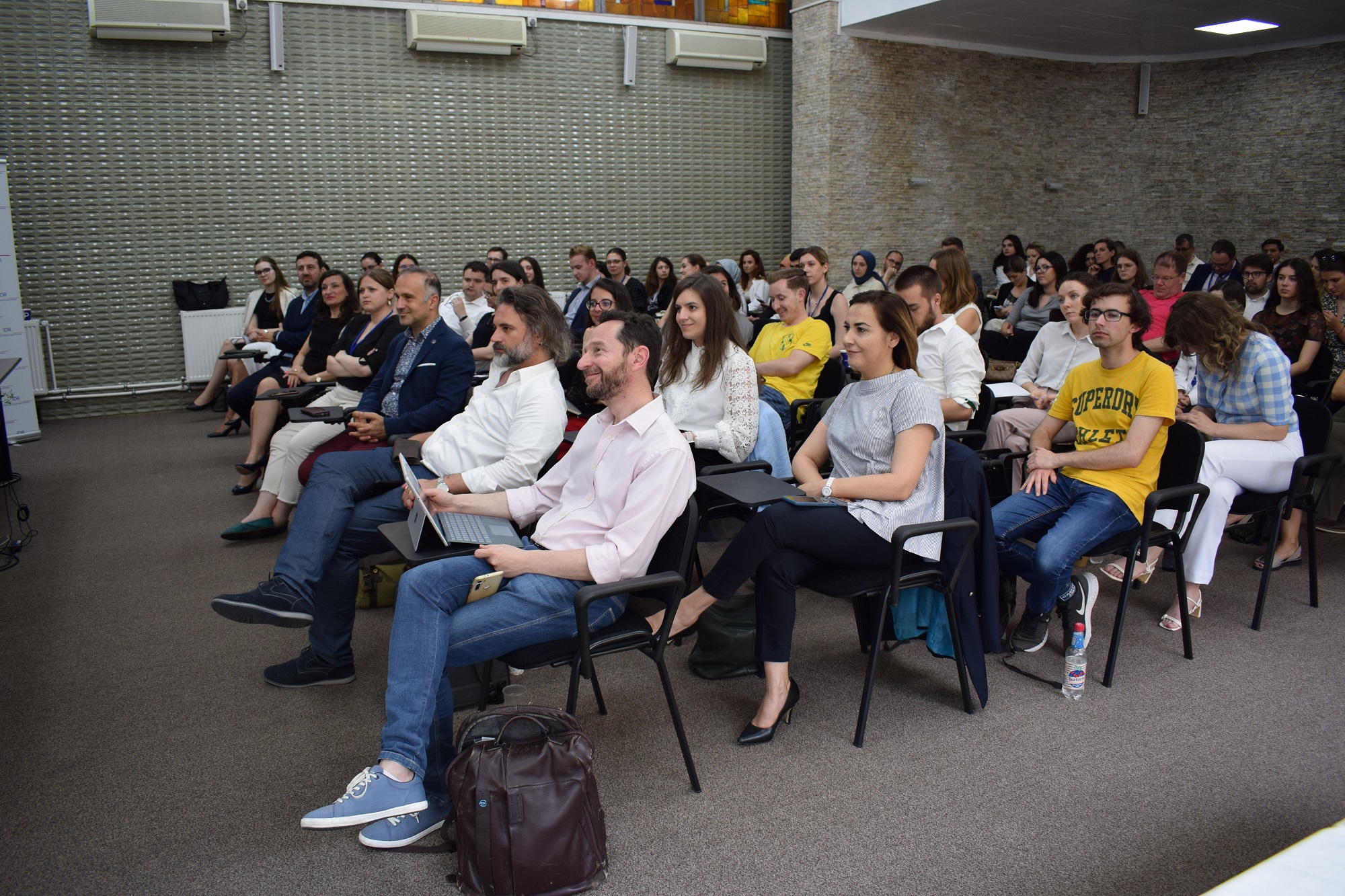
On the 16th of June, the international roundtable „The Digital and the Diplomacy: Contemporary Trends, Challenges and Opportunities for Digital Diplomacy, Global Digital Cooperation & the IT Sector” took place. The roundtable was organised by the Faculty of Political Science of the University of Bucharest and the Romanian Diplomatic Institute. The event, hosted by the IDR at the Dimitrie Cantemir Hall, is part of the Erasmus+ project „Digital Diplomacy: Building the Common Future with Technology”.
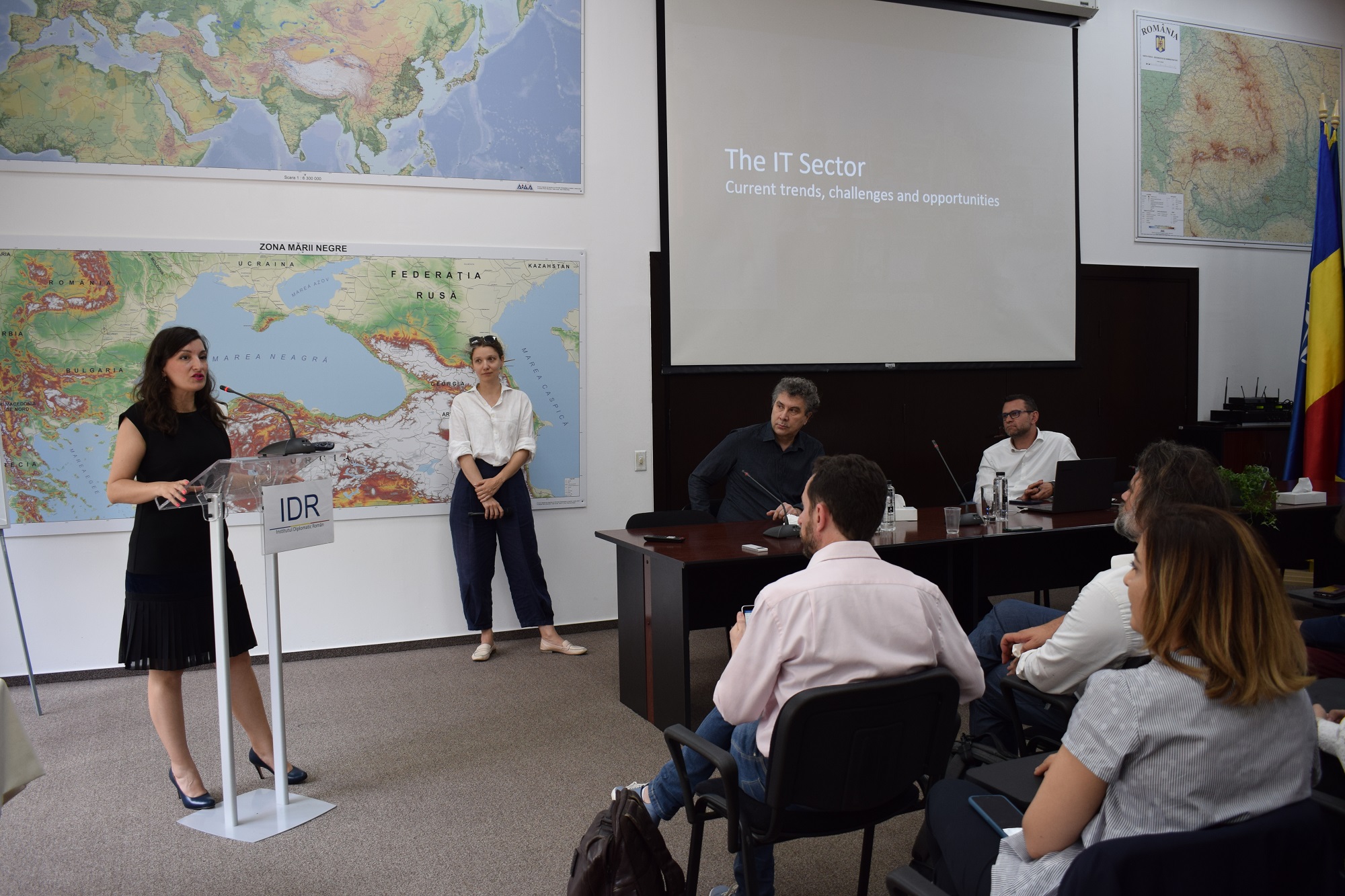
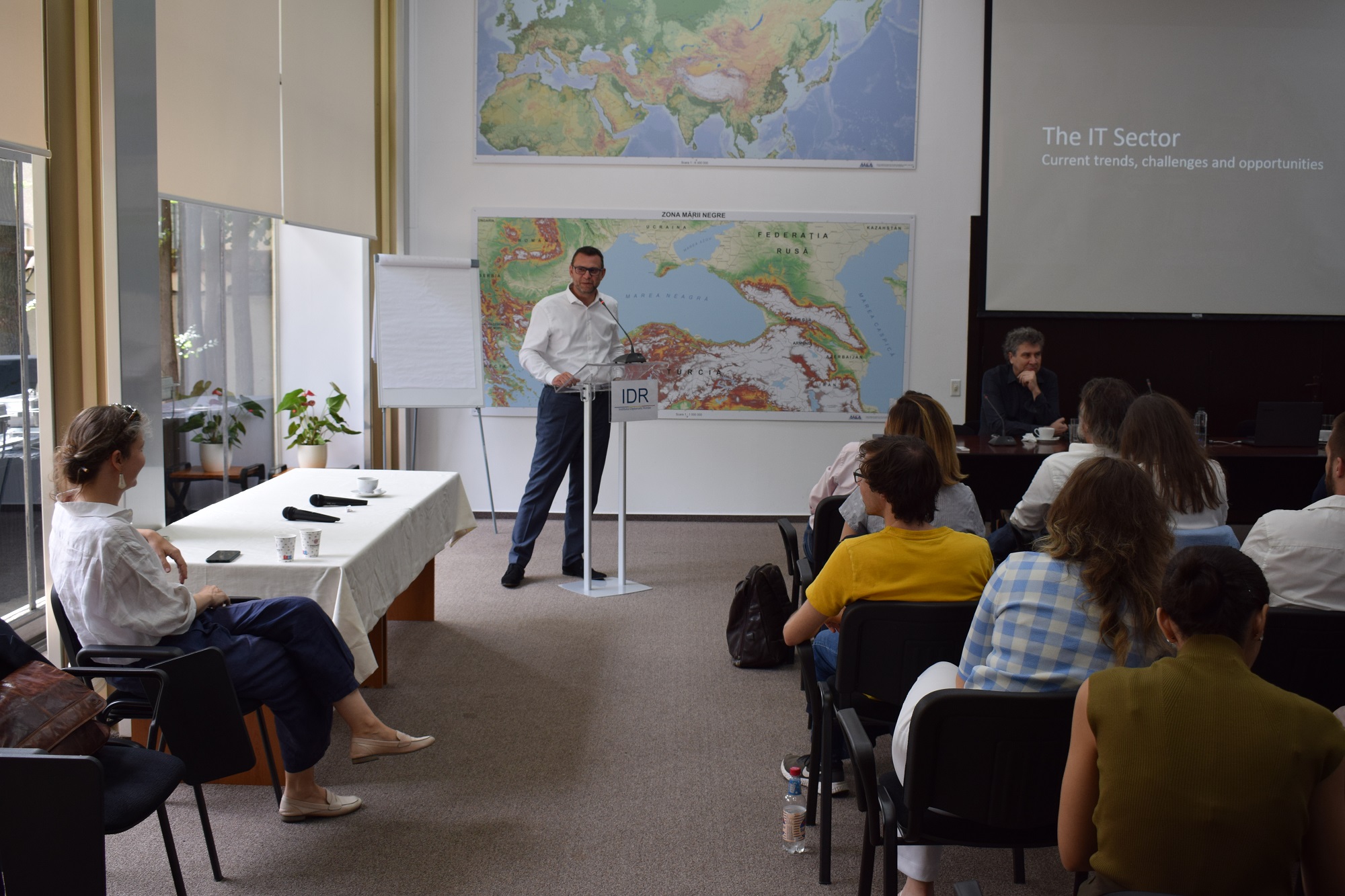
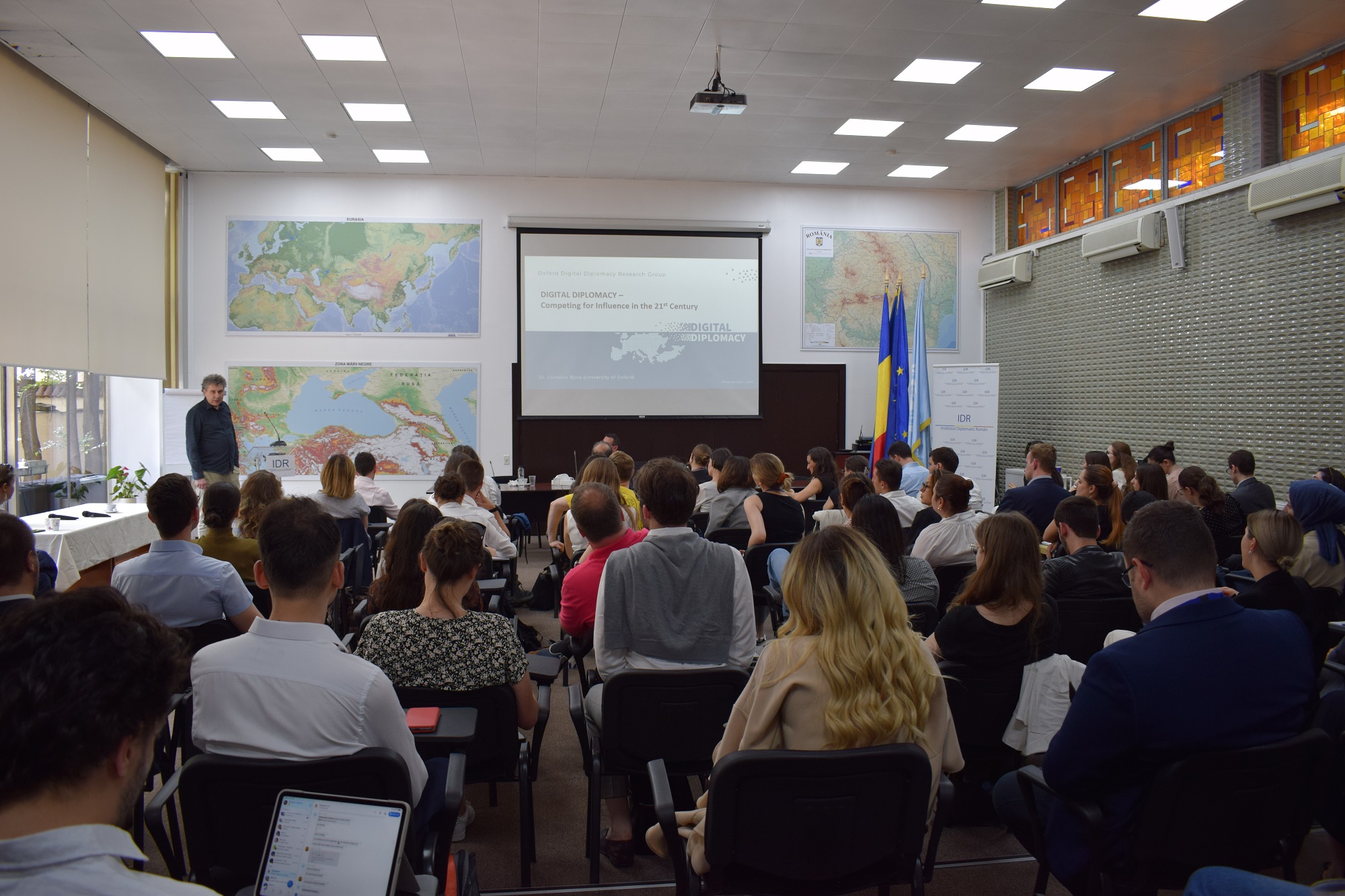
The roundtable was opened by the welcome remarks of Mr. Dragoș C. Mateescu, Director of the Department of Expert Analysis, IDR, and Ms. Özgün Erler Bayır, Associate Professor at the Faculty of Political Sciences, Istanbul University. The keynotes were delivered by Mr. Corneliu Bjola, Associate Professor of Diplomatic Studies at the University of Oxford, and Mr. Mihai Matei, President of the Employers’ Association of the Software and Services Industry (ANIS) and cofounder of the Geeks for Democracy NGO.
Mr. Bjola, author of extensive academic studies on digital diplomacy, gave a presentation on digital diplomacy, starting from the definition and origins of the concept and practices. Corneliu Bjola focused on the evolution of digital diplomacy and its meanings, but also on the concept of digital diplomatic branding. Also mentioned were trends and new topics in digital diplomacy, such as feminist foreign policy, tech diplomacy, influence operations, and algorithmic governance.

As a representative of civil society and the private sector, Mr. Matei focused on current trends, challenges, and opportunities in the IT sector, both at a global level and on a Romanian level. Mihai Matei talked about disruptions created by artificial intelligence and machine learning, the lack of education in IT skills and disagreements the between the US, EU, and EU member-states on policies regarding technology. Also mentioned were opportunities, such as the digitalization of public services and health systems.
This kind of events are increasingly important for the understanding of the new developments regarding the relations between digital technologies and international affairs. The context in which the roundtable was held reinforces this idea – public diplomacy became essential for countering Russian disinformation regarding Moscow’s war against Ukraine. Digital diplomacy gained new meaning alongside the development of the global and social Internet, as we know it today.
The Romanian Diplomatic Institute follows with interest these developments, taking into consideration the rapid development of new technologies and the intertwining between them and international affairs. Current endeavours to regulate artificial intelligence (AI) tools and international efforts to regulate states’ activities in cyberspace become increasingly relevant in the context of the 2024 American and European elections. The rapid development of AI technologies and Machine Learning will constitute a double-edged sword: countering mass disinformation campaigns will be aided, but disinformation campaigns will also be boosted by texts, images and videos generated by AI platforms.